
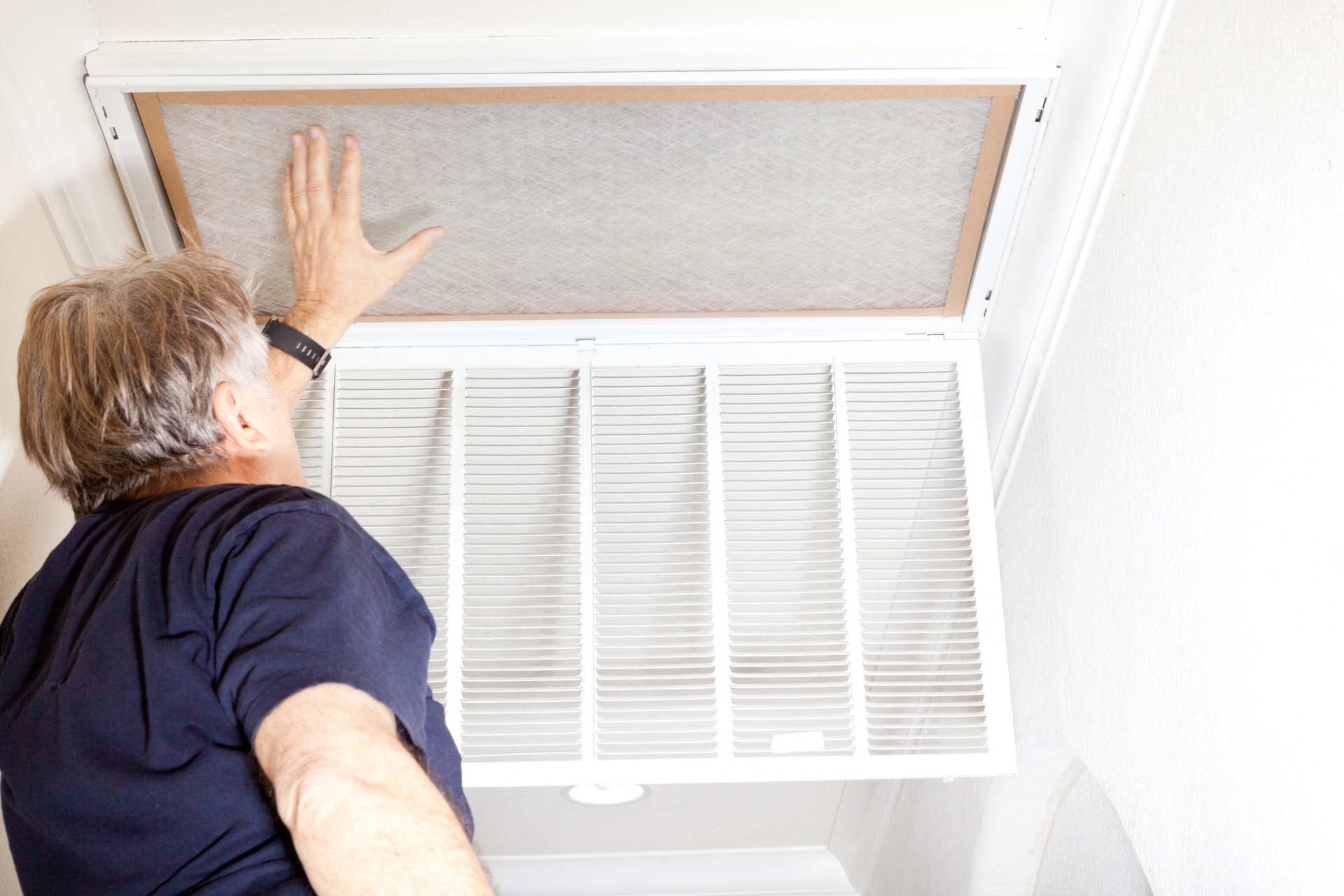
Aside from scheduling professional service for your heater, you can also prioritize taking steps of your own to maintain the system. Heat pumps provide both heating and cooling, making them essential for comfort year round. Air conditioning is an integral part of the heat pump system, and maintaining both the heating and air conditioning functions is important for optimal system performance. In fact, the steps we’re listing below are ones that you should be completing on a monthly to quarterly basis.
Proper maintenance is crucial for the efficient operation of all cooling systems, not just heaters. You can also keep reading to learn more about the ways that you can help your heater work at its best both now and in the future, ensuring efficient operation, reliability, and year round comfort.
If you notice anything out of the ordinary as you complete these maintenance steps, you can give our team a call to schedule a heater repair in Plano and we can address your concerns. You can also keep reading to learn more about the ways that you can help your heater work at its best both now and in the future.
What does a heat pump tune up include?
A professional heat pump tune up helps your system run efficiently and reliably before colder weather arrives. Typical maintenance tasks include:
- Cleaning or replacing the air filter to maintain airflow
- Inspecting electrical connections and system controls
- Cleaning the outdoor unit and removing debris
- Checking refrigerant levels and system performance
- Testing the thermostat and heating cycle operation
Introduction to Heat Pumps
Heat pumps are a smart choice for homeowners looking for an energy-efficient way to keep their homes comfortable year round. Unlike traditional systems that generate heat, a heat pump works by moving heat from one place to another, providing both heating and cooling with remarkable efficiency. This unique approach means you can enjoy consistent temperature control while keeping energy costs in check.
Regular heat pump maintenance is key to getting the most out of your system. By following essential heat pump maintenance tips—like keeping the outdoor unit clean and monitoring refrigerant levels—you can help prevent unexpected breakdowns and avoid costly repairs. Routine pump maintenance not only supports efficient performance but also improves indoor air quality and extends the lifespan of your equipment. Whether you’re preparing for the heating or cooling season, investing in professional maintenance ensures your heat pump delivers reliable comfort and savings for years to come.
Select an Air Filter
Your first step is to choose an effective air filter for your heater. As you shop for air filters, be sure to check the MERV ratings. This acronym is short for minimum efficiency reporting value, and it estimates the types and quantities of particles that an air filter can remove from the air. When it comes to having a good air filter, you may think the stronger the better.
This is not always true when it comes to a residential HVAC system. In fact, a stronger air filter can actually block airflow and put a lot of strain on your heater. Instead, we encourage you to select a unit with a MERV rating of somewhere between eight and 13. You can read each of the filters as you are shopping to see what types of particles they filter out and pick one that fits your expectations.
Air Filter Maintenance
After putting an air filter in place, you want to make sure that you change it out on time. Leaving a dirty filter in for too long can negatively impact how your heater operates as well as reduce your indoor air quality. Air filters are only designed to hold so many particles before they need to be changed out.
Just set a reminder on your phone so you remember to change out your air filter when the time comes. It’s a good idea to buy more than one air filter at a time so you always have another one on hand and don’t have to scramble to get to the store and purchase another one.
Clean the Inside Cabinet
You can also take steps to make sure the inside of the heater cabinet is clean. With a gas heater, you may need to clean out the inside of the cabinet a little more frequently. The burning of gas leaves more residue behind than the electric heater operation does. Before you attempt to wipe down your heater, make sure it is turned off completely so you don’t face any safety risks. If you have any concerns as you are cleaning your cabinet, give our team a call to schedule professional service. Certain components, such as the indoor coil located inside the air handler or furnace, should be cleaned or inspected by a licensed professional to ensure safety and proper function.
Outdoor Unit Care
Taking care of your heat pump’s outdoor unit is essential for maintaining peak performance and keeping your energy costs in check. The outdoor unit plays a crucial role in moving heat in and out of your home, so it’s important to keep the area around it clear of leaves, debris, and other obstructions. This ensures proper airflow and allows your system to operate efficiently throughout the heating season.
One of the most important heat pump maintenance tips is to regularly clean the outdoor coils. Dirty coils can reduce efficiency, force your system to work harder, and lead to higher energy consumption. Simply rinsing the coils with a gentle stream of water can help prevent dirt buildup and keep your heat pump running smoothly. While you’re outside, take a moment to inspect the outdoor unit for any signs of damage, such as rust, dents, or bent fins. Addressing these issues early can help you avoid costly repairs down the road.
Don’t forget to check the air filter regularly, as a clogged filter can restrict airflow and reduce your system’s efficiency. Regular maintenance is crucial for maintaining the system’s efficiency and preventing unnecessary strain on your heat pump. Also, make sure there’s proper drainage around the outdoor unit to prevent water accumulation, which can cause damage over time. By keeping your outdoor unit clean and clear, you’ll help your heat pump deliver reliable comfort and save energy all season long.
Monitor for Signs of Issues
In between your maintenance steps, pay attention to how your heater is operating. If you notice anything out of the ordinary, such as warning signs like short cycling, unusual noises, or a failure to reach the desired temperature, this is another reason to call us. Examples of concerns may include unusual sounds, bad odors, or changes in how your heater is operating.
Maybe your heater is turning on and off every couple of minutes—this is known as short cycling and can negatively impact system performance and the system’s efficiency. There’s no reason too big or small to call for service. We would love to help you identify problems early so that you don’t face an unexpected breakdown in the future. Addressing these issues promptly helps keep your system running smoothly and ensures optimal comfort and efficiency.
System Optimization
Optimizing your heat pump system is all about ensuring every component works together for maximum efficiency and comfort. Start by making sure your outdoor coils are clean—dirty coils can reduce efficiency and force your system to work harder, increasing energy consumption. Regularly inspecting and cleaning the outdoor coils is one of the most effective heat pump maintenance tips for keeping your system running smoothly.
Adequate airflow is another crucial factor in heat pump performance. Check that air vents and registers are clear of obstructions, and make sure your air filter is clean to promote proper airflow throughout your home. It’s also important to inspect electric terminals and connections for any signs of wear or corrosion, as well as lubricate motors as needed to prevent unnecessary strain on your system.
Don’t overlook the importance of correct thermostat operation and proper drainage around your outdoor unit. A well-calibrated thermostat ensures your heat pump responds accurately to your comfort needs, while good drainage prevents water buildup that could damage your system. By staying on top of these pump maintenance tasks and scheduling regular professional maintenance, you’ll enjoy efficient operation, save energy, and extend the life of your heat pump.
Benefits of Preventative Maintenance
Taking a proactive approach to heat pump maintenance offers a range of benefits that go beyond just keeping your system running. Preventative maintenance helps maintain efficient performance, which translates to lower energy costs and a reduced risk of costly repairs. By catching small issues early—such as refrigerant leaks, worn electric terminals, or minor airflow problems—you can prevent them from turning into major breakdowns that disrupt your comfort.
Regular maintenance also supports better indoor air quality by ensuring your system is clean and free of dust, debris, and other contaminants. This is especially important for families with allergies or respiratory concerns. Additionally, a well-maintained heat pump is more likely to deliver consistent temperature control throughout your home, keeping you comfortable in both heating and cooling seasons.
Perhaps most importantly, preventative maintenance extends the lifespan of your heat pump, protecting your investment and giving you peace of mind. By following recommended heat pump maintenance tips and scheduling professional service, you’ll enjoy reliable heating and cooling, improved system efficiency, and fewer unexpected surprises.
Professional Maintenance
While there’s plenty you can do on your own, scheduling professional maintenance is one of the best ways to ensure your heat pump system stays in top shape. A licensed HVAC technician has the expertise to perform routine maintenance tasks that go beyond basic cleaning, such as inspecting electric terminals, cleaning outdoor coils, and checking refrigerant levels. These steps help catch potential issues early, so you can avoid unexpected breakdowns and keep your system running efficiently.
Regular professional maintenance not only helps reduce energy costs but also improves indoor air quality and extends the lifespan of your heat pump. It’s a good idea to schedule a heat pump service at least once a year—ideally before the heating or cooling season begins—so your system is ready to deliver consistent temperature and efficient performance when you need it most.
During a maintenance visit, your technician can also offer personalized heat pump maintenance tips, like installing a programmable thermostat or sealing duct leakage, to further boost your system’s efficiency and comfort. Investing in professional maintenance means you’ll enjoy lower energy consumption, fewer costly repairs, and peace of mind knowing your heating and cooling system is in expert hands.
Conclusion
Keeping your heat pump in top condition doesn’t have to be complicated. By following these heat pump maintenance tips—selecting the right air filter, keeping your system clean, monitoring for warning signs, and scheduling regular professional maintenance—you can ensure efficient operation, lower energy costs, and year-round comfort. Don’t wait for unexpected breakdowns or costly repairs to remind you of the importance of proper maintenance. Take action now to protect your investment, improve indoor air quality, and enjoy reliable heating and cooling for seasons to come. If you ever need expert help, our team is just a call away and ready to keep your system running at its best.
Frequently Asked Questions
Question: Why is fall heating maintenance important for homeowners?
Answer: Fall heating maintenance helps ensure your system is ready before colder temperatures arrive. Completing simple upkeep tasks like filter replacement and inspections can improve efficiency, maintain indoor air quality, and reduce the risk of unexpected breakdowns when you rely on your heater the most.
Question: What type of air filter should I choose for my heating system?
Answer: Choosing the right air filter is important for maintaining airflow and system performance. Many residential HVAC systems work best with filters that have a MERV rating between 8 and 13. This range captures common airborne particles while still allowing enough airflow for your heater to operate efficiently.
Question: How often should you replace a heater air filter?
Answer: Heater air filters should be replaced regularly because they can only capture a limited amount of dust and particles. Changing the filter on time helps maintain good indoor air quality and allows the system to run more efficiently without unnecessary strain on its components.
Question: Can homeowners clean the inside of a heater cabinet themselves?
Answer: Yes, homeowners can carefully clean the inside of a heater cabinet as part of basic maintenance. Before doing so, the heater should be completely turned off for safety. Removing dust or residue helps keep the system operating smoothly and prevents buildup that could affect performance.
Question: What signs indicate your heater may need professional repair?
Answer: If your heater starts making unusual noises, produces strange odors, cycles on and off frequently, or struggles to maintain comfortable temperatures, these could signal a developing issue. Monitoring these warning signs and scheduling professional service early can help prevent larger and more expensive problems.
Contact Mr. Air Repair today to schedule an appointment for heating service with our professionals.