
When a heatwave strikes, staying cool becomes a necessity—but cranking up the air conditioner can lead to soaring energy bills, higher cooling bills, and increased strain on your HVAC system. Fortunately, there are smart, energy-efficient ways to keep your home comfortable, reduce cooling bills, and make informed decisions about the final investment required for AC replacement—understanding all cost factors is crucial. Equipment costs are one of the main contributors to the overall expense of AC replacement, and these costs can vary significantly depending on the system type and efficiency. Here are some practical tips homeowners can use to maintain a cool and efficient home during extreme heat that can help save money on both immediate and long-term cooling expenses.
Introduction to Summer Cooling
When summer temperatures soar, keeping your home cool isn’t just about comfort—it’s about maintaining a safe and healthy living environment. A reliable central AC system is a common choice for whole-home cooling and is your best defense against the heat. With rising energy bills and growing concerns about system efficiency, it’s more important than ever to choose the right AC unit for your needs. Energy efficiency is often measured by the SEER rating (Seasonal Energy Efficiency Ratio), a key metric for comparing systems. High SEER systems may have a higher upfront cost, but they offer greater long-term savings through reduced energy consumption and lower operating costs. Whether you’re looking to upgrade your current system or install a new one, understanding your cooling needs and the options available can help you stay comfortable without breaking the bank. In this section, we’ll introduce you to the essentials of summer cooling, explore the different types of air conditioning systems, and offer guidance on how to select a system that balances comfort, efficiency, and cost.
Understanding Air Conditioning Systems
Not all air conditioning systems are created equal, and choosing the right one can make a big difference in your home’s comfort and energy usage. Central air conditioning systems are the most popular choice for homeowners and can cool an entire house, depending on the square footage. They deliver consistent temperatures and improved indoor air quality through a network of ducts, and typically include an air handler as an important indoor component that works with the evaporator coil and blower motor. When selecting a central air unit, it’s crucial to consider the cooling capacity to ensure the system is properly sized for your home’s needs.
If your home doesn’t have ductwork, ductless mini split systems—also known as split systems—offer flexible, targeted cooling for individual rooms or zones, making them ideal for additions or older homes. These systems consist of both an indoor unit and an outdoor unit, and matching these components is important for optimal performance. Proper installation should also include line set protection to maintain the integrity and efficiency of the refrigerant lines connecting the indoor and outdoor units.
For smaller spaces or supplemental cooling, window units provide an affordable and easy-to-install solution. Each system type has its own set of benefits and limitations—central air offers seamless comfort but requires ductwork, ductless mini split split systems are energy efficient and versatile, and window units are budget-friendly but best for single rooms. Understanding these options within the broader category of hvac systems will help you make an informed decision about which air conditioning system is right for your home.
Factors Influencing AC Replacement Cost
When planning for an AC replacement, it’s important to understand the key factors that can affect the final cost. The type and size of the new air conditioner you choose play a major role—larger homes typically require more powerful AC units, which come with higher price tags. The complexity of the installation is another significant factor; for example, replacing an old system with a new ac unit may require modifications to existing ductwork or even electrical panel upgrades to handle the increased load. The energy efficiency of the new system also impacts the replacement cost, as high-efficiency models often cost more upfront but deliver greater savings over time. Additionally, the condition of your current system and home layout can influence labor costs, especially if your HVAC contractor needs to address issues like outdated wiring or inaccessible ductwork. By considering these key factors, homeowners can better budget for their AC replacement and ensure they select the right system for their needs and long-term comfort.
1. Set Your Thermostat Wisely
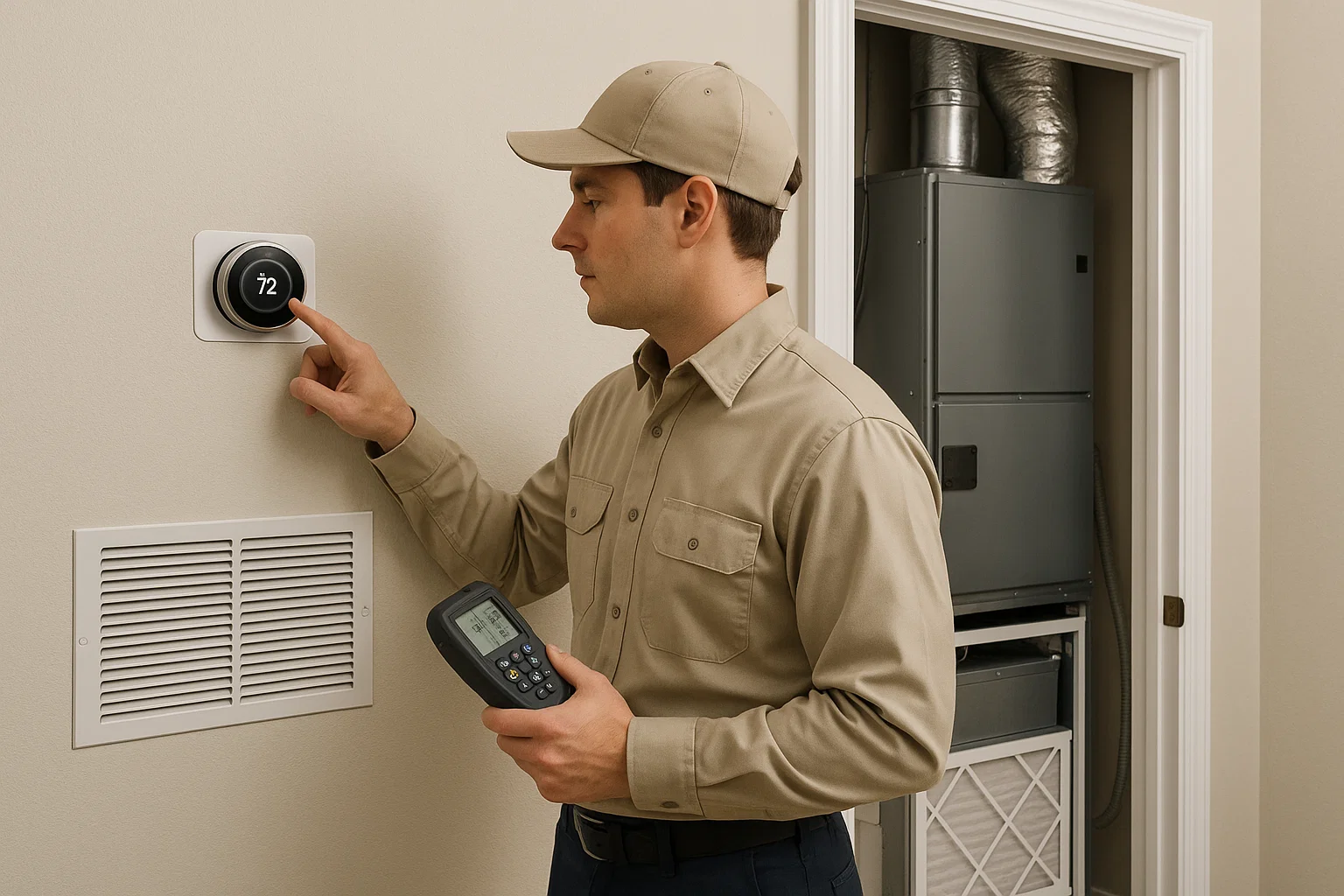
During a heatwave, it’s tempting to set your thermostat very low, but doing so won’t cool your home faster—it just makes your AC run longer and can result in higher energy bills. Aim to set your thermostat as high as is comfortably possible. The U.S. Department of Energy recommends 78°F when you’re home and higher when you’re away. Consider investing in a programmable or smart thermostat that automatically adjusts temperatures based on your schedule to maximize energy savings and help reduce cooling bills.
2. Use Fans to Circulate Cool Air
Ceiling and portable fans can make a room feel a few degrees cooler, allowing you to raise your thermostat without compromising comfort. Make sure ceiling fans are spinning counterclockwise in summer to push cool air down. Fans use a fraction of the energy of air conditioners and are an excellent supplement to cooling efforts, helping you save money on energy bills.
3. Keep Sunlight Out
Sunlight streaming through windows significantly raises indoor temperatures. Close blinds, curtains, or shades during the hottest parts of the day, especially on sun-facing windows. Consider using reflective window film or solar screens for an extra layer of heat protection, which can also help reduce cooling bills.
4. Seal Leaks and Insulate
Cool air escaping through gaps around windows, doors, and ducts forces your AC to work harder. Inspect your home for leaks and seal them with weatherstripping or caulk. Proper insulation—especially in attics and walls—also keeps cooled air inside and hot air out, improving your system’s efficiency.
5. Avoid Heat-Generating Appliances
Ovens, stoves, and even incandescent lights add unnecessary heat to your home. During a heatwave, use microwaves, slow cookers, or outdoor grills to prepare meals. Switch to LED lighting and run heat-producing appliances like dishwashers and dryers at night when temperatures drop.
6. Keep Your AC System Maintained
An air conditioner in top condition performs more efficiently. Replace or clean air filters every month during heavy use, and make sure vents are clear of furniture or obstructions. It’s also wise to schedule professional maintenance at least once a year to ensure optimal performance and identify potential issues before they become costly repairs. If repair costs approach half the price of a new unit—a guideline known as the 50% rule—it is generally more cost-effective to consider a complete replacement rather than just repairing components. Another helpful guideline is the $5,000 rule: multiply the air conditioner’s age by the estimated repair cost; if the total exceeds $5,000, HVAC replacement is often the more economical choice. Many air conditioners have a lifespan of 15-20 years, and replacing an old unit can lead to significant energy savings, as a new HVAC system is often 30% to 50% more efficient than older models. Keep in mind that replacing only certain components without proper compatibility can result in reduced efficiency, so it’s important to select the right HVAC system for your home’s needs. Additionally, professional installation and consulting an HVAC professional for maintenance or troubleshooting are essential for ensuring your system operates efficiently and lasts longer.
Understanding Efficiency Ratings in AC Systems
Efficiency ratings are a crucial consideration when selecting a new air conditioning system. The most common metric, the Seasonal Energy Efficiency Ratio (SEER), measures how efficiently an AC unit converts electricity into cooling power over a typical season. Higher SEER ratings mean the system uses less energy to provide the same level of comfort, resulting in lower utility bills and reduced energy costs. When planning an ac replacement, look for air conditioning systems with high efficiency ratings to maximize energy savings and minimize monthly utility bills. Choosing an energy efficient new ac unit not only helps the environment but also ensures your cooling needs are met with optimal performance. Understanding these efficiency ratings empowers homeowners to make informed decisions, balancing upfront investment with long-term energy savings and comfort.
Choosing the Right AC Unit
Selecting the right AC unit involves more than just picking the biggest or most powerful model. Proper sizing is crucial, and this means considering the cooling capacity of the unit, which is measured in tons to match your home’s square footage. For example, a typical 3-ton unit averages between $7,000 to $10,000. A professional load calculation is essential to determine the correct cooling capacity—too small, and it won’t keep you cool; too large, and it will short-cycle, leading to higher energy bills, inefficient performance, and reduced system longevity. Pay close attention to energy efficiency ratings like SEER (Seasonal Energy Efficiency Ratio) and HSPF (Heating Seasonal Performance Factor), as higher ratings mean lower energy bills and greater long-term savings. High efficiency systems may cost more upfront, but they deliver superior performance and reduced operating costs over time. By consulting with a professional to assess your home’s unique requirements, you can find the right hvac system that delivers reliable cooling power while keeping your energy bills in check.
Average Price of AC Replacement
The average price of replacing a central air conditioning system can vary significantly based on several factors, including the type and size of the ac unit, installation complexity, and your home’s location. For most homeowners, the cost of a complete ac replacement—including labor costs, new equipment, and any necessary upgrades to ductwork or electrical systems—typically ranges from $5,000 to $15,000 or more. Central air conditioning systems tend to be on the higher end of this range, especially if additional work is needed to bring your home up to code or improve energy efficiency. To ensure you get the best value, it’s wise to request multiple quotes from licensed hvac contractors and compare not just the total price, but also the system’s energy efficiency, expected system longevity, and warranty coverage. By carefully evaluating these factors, you can select a new ac unit that meets your cooling needs, fits your budget, and delivers reliable comfort for years to come.
Estimating Annual Energy Costs
Understanding the annual energy costs of your AC unit is key to managing your budget and making a smart investment. Your energy bills will depend on several factors, including the efficiency ratings of your system, how well your home is insulated, and how often you use your air conditioning. High efficiency systems with better SEER ratings typically use less electricity, translating to lower monthly utility bills. To get an accurate estimate of your annual energy costs, consider consulting with an HVAC contractor who can assess your home’s insulation quality, cooling needs, and usage patterns. They can help you compare different models and identify ways to reduce your energy costs, such as upgrading to a new ac unit, improving insulation, or installing smart thermostats.
The cost of replacing an air conditioner in a residential home can range between $5,500 and $16,000, including labor and permit fees. Permit fees and electrical connections can influence the total cost of installation, especially if upgrades or modifications are needed for your new system. Equipment costs are a major component of the final investment, and these can vary based on system type, efficiency, and regional factors. For example, average AC replacement costs in Texas range from $6,000 to $14,000+, while in Wylie, TX, the average is $7,000 to $13,000. Complex projects in Wylie, often due to extreme summer demands or refrigerant transitions, can reach $15,000 to $22,000. AC unit replacement costs typically range from $5,000 to $13,000 for most homeowners, with high-efficiency systems reaching up to $19,000. The cost of replacing an air conditioning system can range from $5,500 to $16,000, influenced by system size, efficiency, and installation complexity.
Labor costs for HVAC installation can vary significantly based on the complexity of the job, crew size, hours required, and whether additional work like electrical upgrades is needed. Seasonal demand can also influence labor costs, with lower prices typically available in the fall and early spring when technicians are less busy. Federal tax credits of up to $2,000 are available for qualifying energy-efficient central AC installations, and many local HVAC contractors in Texas offer financing options such as zero-interest plans or low monthly payments.
The City of Wylie requires HVAC contractors to obtain permits and pass inspections for unit replacements. The new SEER2 standards require that air conditioning systems in certain regions meet minimum efficiency ratings, which can affect both the initial purchase price and long-term energy savings. Texas regulations require a minimum efficiency of 15 SEER for any new central AC installation. Localized infrastructure must be sized carefully to accommodate intense summer heat waves in North Texas. Upgrading to a higher SEER-rated air conditioning unit can lead to energy savings of 20-50% compared to older, less efficient models, making them a cost-effective choice in the long run.
By factoring in these variables, you’ll have a clearer picture of the total cost of ownership and can make an informed decision that balances comfort, efficiency, and long-term savings.
Stay Cool Without the Sticker Shock
Staying cool during a heatwave doesn’t have to come at the cost of high energy bills—these strategies can also help reduce cooling bills and achieve long-term energy savings. By combining smart thermostat settings, routine maintenance, and thoughtful home habits, you can reduce energy usage and keep your indoor environment comfortable, even in record-breaking heat. These tips not only help your wallet but also extend the life of your HVAC system and reduce your home’s environmental impact. For even greater comfort and air purity, consider adding indoor air quality products to your HVAC systems, which can enhance performance and improve the quality of the air you breathe.
You know the drill. If something goes wrong, schedule an appointment ASAP with Mr. Air Repair, your local team of AC technicians. Family serving family!